
Post-Surgical Swelling, Scar Tissue vs Fibrosis: What’s the Difference?

Following an orthopedic procedure, cosmetic surgery, abdominal operation, or reconstruction surgeries, your body undergoes an intricate, multifaceted healing cascade. In the early weeks and months, it is common to notice firmness, persistent puffiness, or tight ridges beneath the skin. However, patients frequently wonder: is this lingering fluid, normal healing, or something more permanent? Understanding post-surgical swelling, scar tissue vs fibrosis is essential for knowing how your recovery is progressing and when targeted therapeutic bodywork can restore optimal tissue glide and comfort.

Post-Surgical Swelling: The Initial Fluid Response
In the acute aftermath of surgery, localized trauma disrupts blood vessels and delicate lymphatic capillaries. In response, your body rushes plasma, proteins, and cellular repair agents to the surgical bed.
What It Feels Like: Puffy, spongy, heavy, or doughy tissue that often worsens toward the end of the day or after prolonged standing.
Tissue Behavior: In early stages, it may show "pitting" (leaving a temporary indentation when pressed gently).
The Clinical Goal: Swelling is a healthy biological response to injury, but stagnant, protein-rich fluid must be moved out of the tissues to prevent chronic congestion and persistent inflammation.
Scar Tissue vs Fibrosis: The Structural Differences
While both involve collagen, understanding the distinction in scar tissue vs fibrosis helps demystify why certain areas feel dense, leathery, or bound down.
1. Scar Tissue: Targeted Structural Repair
Scar tissue is the localized, purposeful repair matrix your body constructs to seal an incision line and mend severed tissues.
Structure: Initially laid down haphazardly, collagen fibers form a localized bridge across the wound edges.
Presentation: A defined, linear mark along the incision margin, occasionally accompanied by minor tethering to immediate superficial layers.
2. Surgical Fibrosis: Diffuse, Unchecked Collagen Matrix
Fibrosis occurs when prolonged, unresolved post-surgical swelling (edema) or sustained localized inflammation triggers chronic fibroblast activity.
Structure: Instead of forming a single clean repair line, the body deposits excess, dense connective tissue throughout the subcutaneous and fascial layers.
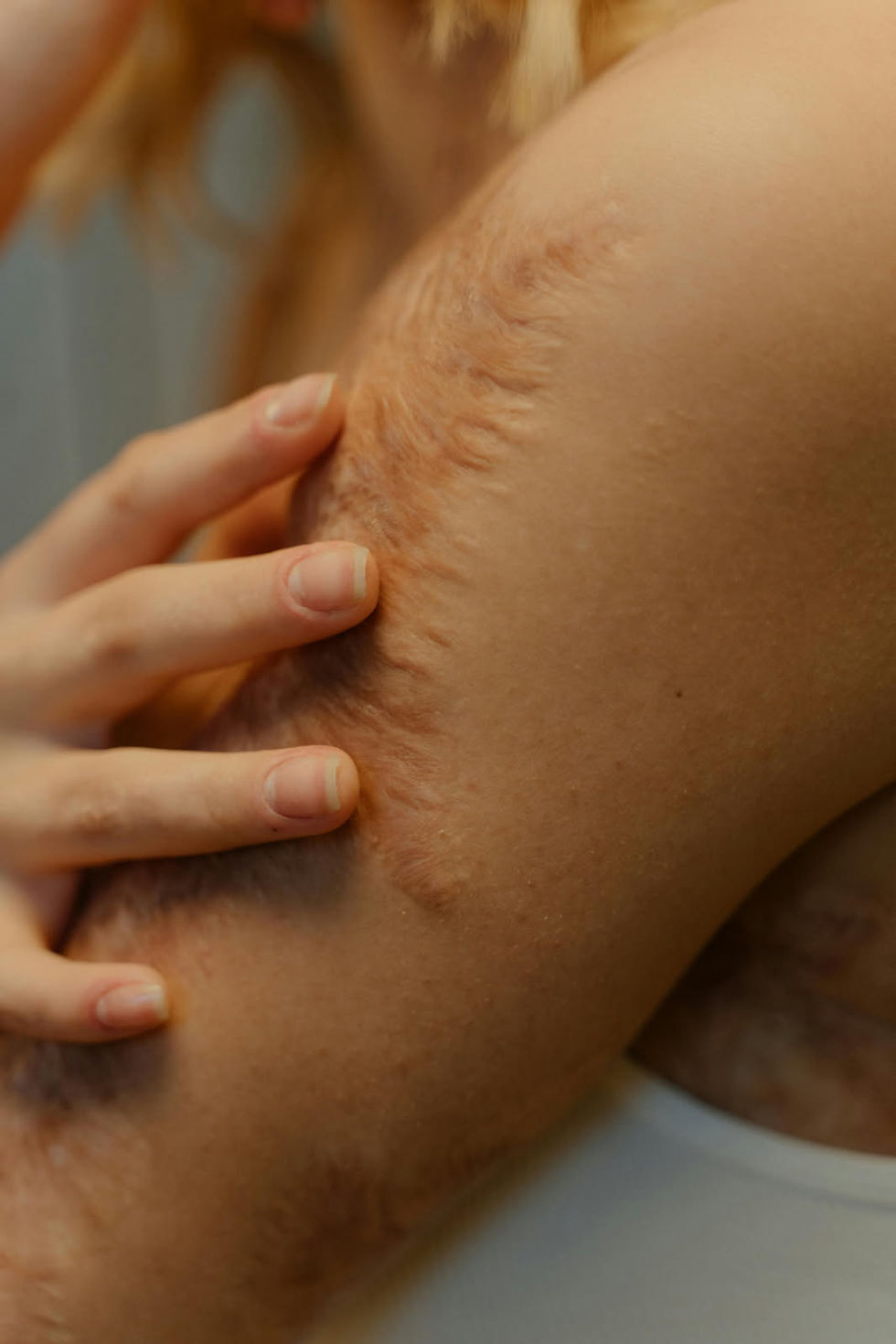
Presentation: Thickened, hard, "board-like," or rubbery tissue spreading beyond the incision line. It often feels like deep internal lumps, ridges, or widespread restriction that resists movement and pulls on neighboring joints and nerves.
How Clinical Modalities Address Swelling, Scar Tissue, and Fibrosis
Navigating recovery requires a tailored, progressive approach that matches your body's specific healing phase:
Manual Lymphatic Drainage (MLD): In the early post-operative stages, gentle, rhythmic skin-stretch techniques stimulate impaired lymphatic vessels to evacuate stagnant fluids, reduce interstitial pressure, and prevent stagnant protein accumulation from turning into stubborn fibrosis.
Targeted Scar Tissue & Adhesion Release: Once incisions are completely closed, specific manual myofascial and cross-fiber mobilization uncouples bound tissue planes, softens dense cross-links, and re-establishes natural multi-directional glide.
Frequency Specific Microcurrent (FSM): Uses gentle, targeted electrical frequencies to help soften dense cross-linked collagen bonds, ease localized tissue inflammation, and support tissue remodeling at the cellular level.
Avazzia Microcurrent Technology: Works directly with sensory nerves and fascia to calm hypersensitivity, ease protective muscle guarding, and encourage rigid fibrotic tissue to relax without aggressive mechanical force.
Restore Comfort and Mobility in Dunedin, FL
...serving those in Pinellas and Hillsborough Counties.
Whether you are managing acute swelling, a tethered surgical line, or persistent post-operative fibrosis, therapeutic support helps guide your tissue back to comfortable, effortless movement.




Comments