
Help for Diastasis Recti

Updated: Apr 28

Diastasis Recti: Understanding the "Mummy Tummy" and How to Heal Your Core
If you’ve noticed a persistent bulge in your midsection long after pregnancy, or a "doming" effect when you try to do a crunch, you might be dealing with Diastasis Recti (DR). While it is incredibly common, it is often misunderstood as just a cosmetic issue. In reality, a compromised core can lead to back pain, pelvic floor dysfunction, and poor posture.
The good news? It is treatable. From traditional physical therapy to cutting-edge technology like Frequency Specific Microcurrent (FSM), you can restore your core strength and close the gap.
What is Diastasis Recti?
Diastasis Recti is the partial or complete separation of the rectus abdominis muscles—the "six-pack" muscles that meet at the midline of your abdomen. These muscles are held together by a band of connective tissue called the linea alba. When internal pressure becomes too great, this connective tissue stretches and thins, causing the muscles to pull apart.
Common Causes
Pregnancy: The most frequent cause. As the uterus grows, it stretches the abdominal muscles.
Rapid Weight Changes: Significant weight gain in the abdominal area puts constant pressure on the linea alba.
Improper Exercise Technique: Performing heavy lifting or intensive core work (like crunches or planks) with poor form or excessive intra-abdominal pressure.
Genetics: Some individuals naturally have thinner connective tissue.
How to Check Yourself for Diastasis Recti
You don't always need an MRI to find a separation; you can perform a simple self-assessment at home:
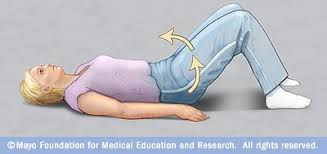
Lie on your back with your knees bent and feet flat on the floor.
Place your fingers (palm facing you) at your belly button, pointing toward your toes.
Slowly lift your head and neck off the floor (a mini-crunch), engaging your abs.
Feel for a gap between the left and right sides of the muscle.
Assessment: A gap of 1 to 2 finger-widths is considered normal. A gap of 2.5 fingers or more, or a feeling of "squishiness" where your fingers sink deep into the abdomen, suggests Diastasis Recti.
Treatment Options: From Foundation to Innovation
1. Specialized Physical Therapy
The goal isn't just "strengthening," but learning to manage pressure. Avoid traditional sit-ups, which can make the gap worse. Instead, focus on the Transverse Abdominis (TVA)—your body's internal corset—and pelvic floor coordination.
2. Postural Correction
How you sit, stand, and lift your children matters. Aligning your ribcage over your pelvis reduces the constant "tugging" on the linea alba, allowing it to knit back together.
3. Frequency Specific Microcurrent (FSM)
One of the most exciting advancements in tissue repair is Frequency Specific Microcurrent (FSM). FSM uses very low-level electrical currents (one-millionth of an ampere) to target specific tissues.
How it works for DR: FSM can be programmed to specific frequencies that are known to increase ATP (energy) production in cells by up to 500%.
Tissue Repair: FSM can specifically target the "tendon" and "connective tissue" frequencies to reduce inflammation in the linea alba and promote the remodeling of collagen fibers.
Pain Relief: If your DR is accompanied by chronic low back pain, FSM can quickly quiet the nerve endings and reduce muscle guarding, making your physical therapy exercises more effective.
Here is a viso that may also be of help:
Final Thoughts
Healing Diastasis Recti is a marathon, not a sprint. It requires a combination of mindful movement and supportive therapies. By addressing the health of the connective tissue through methods like FSM and rebuilding the deep core, you can regain a functional, strong, and pain-free midsection.




Comments