top of page


Blog
Information on MLD (lymphatic drainage), Neuromuscular therapy, Myofascial Release, Scar tissue massage, Trigger Point, Frequency Specific Microcurrent, BEMER, BioEnergy Therapy, oncology massage, cancer massage, massage, self help exercises, and overall wellbeing.
Search


Sacroiliac Joint Pain: Hip, Low back, and SI joint pain be gone
SI Joint Pain: Simple Exercises for Immediate Relief
Sacroiliac (SI) joint pain can make everyday movements like walking, sitting, or standing feel like a chore. The SI joint connects your spine to your pelvis and acts as a shock absorber between your upper and lower body. When it's inflamed or misaligned, the pain can be sharp and localized in your lower back or glutes.
The good news is that you can often find relief by stabilizing the joint through inner thigh activation.

Nicole Longwell
Feb 252 min read


Help for Diastasis Recti
you might be dealing with Diastasis Recti (DR). While it is incredibly common, it is often misunderstood as just a cosmetic issue. In reality, a compromised core can lead to back pain, pelvic floor dysfunction, and poor posture.
The good news? It is treatable. From traditional physical therapy to cutting-edge technology like Frequency Specific Microcurrent (FSM), you can restore your core strength and close the gap.
Nicole Longwell
Nov 6, 20183 min read
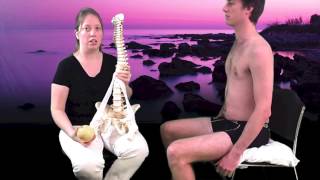
Pelvic Floor Health - Self Treatment
Improving pelvic floor health involves more than just isolated exercises like Kegels. It requires awareness of how the muscles work, learning proper activation and relaxation, and integrating movement with breathing and core engagement. Many healthcare professionals recommend training with a pelvic health specialist to ensure that exercises target the correct muscles and support overall function.
Nicole Longwell
Apr 4, 20162 min read
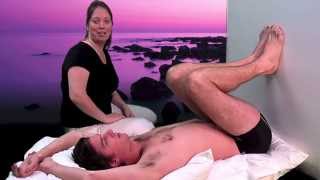
Pelvic Floor Myofasical Release: Self-help for tension in the pelvis, legs, and groin using John Barnes Myofascial Release
The pelvic floor is a group of muscles and connective tissues that form a supportive sling at the base of the pelvis. These muscles support the bladder, bowel, and reproductive organs, and play a role in bladder and bowel control, core stability, breathing, and sexual function.
When the pelvic floor is tight, overactive, or restricted, it can lead to symptoms such as pelvic pain, difficulty with bowel movements, urinary urgency or leakage, discomfort with intercourse, or sup
Nicole Longwell
Aug 25, 20151 min read


bottom of page