top of page


Blog
Information on MLD (lymphatic drainage), Neuromuscular therapy, Myofascial Release, Scar tissue massage, Trigger Point, Frequency Specific Microcurrent, BEMER, BioEnergy Therapy, oncology massage, cancer massage, massage, self help exercises, and overall wellbeing.
Search


The Unsung Hero of Your Shoulders: Why Your Lower Traps Matter
The trapezius muscle is a large, triangular muscle that covers much of your upper back and neck. It's divided into three parts: upper, middle, and lower. While the upper traps often get overused, the lower traps have a distinct and essential job:
Depression of the Scapula: They pull your shoulder blades downward.
Adduction of the Scapula: They draw your shoulder blades together towards your spine.
Upward Rotation of the Scapula: They help rotate your shoulder blade

Nicole Longwell
Mar 29, 20193 min read
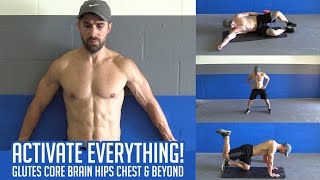
Muscle Activation Exercises -Part of the key to promoting better posture, while helping to alleviate pain
🏋️♂️ Blog Post: Muscle Activation Exercises for Stronger Glutes, Core & Hips Muscle activation is the overlooked foundation of strength, stability, and movement efficiency. The video “Muscle Activation Exercises for Glutes, Core, Brain, Hips …” offers practical demonstrations of targeted activation drills designed to wake up key muscle groups that support posture, performance, and pain-free movement. YouTube When large muscles like the glutes, hips, and core are underactive
Nicole Longwell
Mar 1, 20192 min read


Pelvic floor exercise to prevent urinary incontinence
How to Strengthen Your Pelvic Floor: 3 Essential Exercises for Bladder Control
Urinary incontinence and pelvic floor dysfunction are common issues, but they don’t have to be your "new normal." Strengthening the pelvic diaphragm—the hammock-shaped muscle group that spans from your pubic bone to your tailbone—is key to preventing leaks and improving pelvic health.
In this guide, based on demonstrations by Dr. Natalie Stratton, DPT, we break down how to perform a proper Kege
Nicole Longwell
Mar 12, 20182 min read


Dr Berka BEMER Webinar
Blood circulation — especially through the body’s tiniest blood vessels — plays a critical role in overall health, physical performance, waste removal, and tissue repair. In the video Dr. Burka — BEMER, Dr. Joshua Berka explains the science behind BEMER therapy and how this pulsed electromagnetic field (PEMF) technology may positively influence microcirculation, supporting the body’s natural functions and wellness. bemer-circulation.com+1
Nicole Longwell
Jan 20, 20182 min read


Help with Sciatica (Piriformis Syndrome)
The piriformis is located deep within the gluteal region, sitting behind the gluteus maximus. Because of its location, traditional stretches often miss the mark. The Reverse Pigeon Pose is unique because it uses the weight of your legs and a specific angle of hip rotation to create a precise stretch in the piriformis fibers.
Nicole Longwell
Nov 17, 20172 min read


Why do Pilates Roll-ups and Roll-downs
In Pilates, roll-downs and roll ups have been one of the basic exercise taught to begin learning how to engage the spine, pelvis, and abdominal muscles. It has become the a pivotal part in core strength and stability. Many exercise programs have left out this piece when teaching the traditional sit-up or crunch, often leaving one open to injury, extreme muscle tension or strain in various areas of our bodies, to compensate for using the wrong muscles to perform the exercises.
Nicole Longwell
Aug 16, 20173 min read


Issues from Forward Head Posture
In today’s screen-focused world, forward head posture (FHP) has become increasingly common—and increasingly harmful. Whether you’re working on a computer, scrolling on your phone, or driving, the head subtly drifts forward, placing enormous stress on the neck, spine, and nervous system.
What may start as mild stiffness can quietly progress into chronic pain, nerve compression, and degenerative spinal changes if left unaddressed.
Let’s break down what forward head posture is
Nicole Longwell
Aug 8, 20162 min read


Side-sleeping benefits and brain health
Sleeping in the lateral, or side position, as compared to sleeping on one's back or stomach, may more effectively remove brain waste and prove to be an important practice to help reduce the chances of developing Alzheimer's, Parkinson's and other neurological diseases, according to researchers at Stony Brook University.
Nicole Longwell
Jul 19, 20163 min read


Deep Hip Rotator Release
Tightness in the deep hip rotators — including muscles like the piriformis, gemellus, obturator internus, obturator externus, and quadratus femoris — can contribute to pain, limited range of motion, and issues like sciatica or general hip discomfort. The video linked above offers a clear demonstration of how to release these deep hip muscles using specific manual or self-release techniques, helping restore mobility and ease muscular tension.
Nicole Longwell
May 18, 20162 min read


5 Daily Lower Body Stretches
Stretching increases the range of motion around your joints and lengthens muscles that may have become tight from prolonged sitting, repetitive movement, or lack of activity. Gentle stretching also helps muscles relax after a workout and promotes healthy blood flow, aiding recovery and reducing stiffness. BioMed Natural Health
It’s not just about physical flexibility: stretching enhances body awareness and connects movement with mindful breathing, which can help calm the ner
Nicole Longwell
May 18, 20162 min read

Releasing the Pelvic Floor
Many people suffer from chronic tesnion and pain in the pelvis or their bottom. In some cases it is attributed to the muscles of the pelvic floor being tigh or in spasm. We may also have trigger points that contribute to pain in the pelvis, but also radiating into the groin, legs, hips, and back.
Nicole Longwell
May 13, 20161 min read
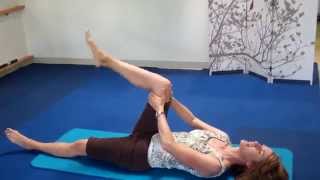
Relieve Sciatic Pain and Piriformis Syndrome
Sciatic nerve pain can be incredibly debilitating, often presenting as sharp pain, tingling, or spasms that originate in the lower back or glutes and radiate down the leg. Frequently caused by a tight piriformis muscle pinching the nerve or compression in the lumbar spine, sciatica requires a strategic approach to movement: first releasing the pain, then building the strength to keep it from returning.
Nicole Longwell
Apr 4, 20162 min read
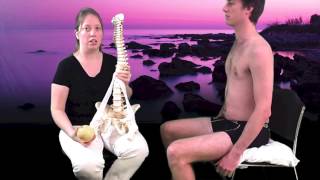
Pelvic Floor Health - Self Treatment
Improving pelvic floor health involves more than just isolated exercises like Kegels. It requires awareness of how the muscles work, learning proper activation and relaxation, and integrating movement with breathing and core engagement. Many healthcare professionals recommend training with a pelvic health specialist to ensure that exercises target the correct muscles and support overall function.
Nicole Longwell
Apr 4, 20162 min read

Release hip flexors and low back tension
Hip flexors are a group of muscles located in the front of the hip that help lift the thigh toward the torso and stabilize the pelvis. When these muscles are chronically tight or under-active, the pelvis can tilt forward, increasing stress on the lumbar spine and contributing to pain or stiffness.
Nicole Longwell
Apr 4, 20162 min read
Life without Pain -- Avazzia Microcurrent
Unlike traditional pain treatments that mask symptoms, Avazzia devices use low-intensity microcurrents that interact with the body’s own electrical communication system — especially the C-fiber nerve pathways — to help reduce pain signals, improve circulation, and stimulate the body’s internal relief mechanisms. Avazzia
Nicole Longwell
Mar 14, 20161 min read


Neck Exercises for Cervical Spondylosis
Cervical spondylosis is a fancy term for age-related wear and tear in the spine [00:32]. It often leads to achiness, soreness, and stiffness in the neck. While it sounds intimidating, regular motion and stretching can significantly improve how you feel.
Before starting any new routine, it is vital to get a proper diagnosis from a healthcare professional, as some movements might be contraindicated for specific neck conditions
Nicole Longwell
Mar 10, 20162 min read


Flat Feet and Pain Relief
Flat feet — medically known as pes planus or fallen arches — is a common condition where the arch of the foot collapses, causing the entire sole to touch or nearly touch the ground. While many people live pain-free with flat feet, others experience discomfort, arch pain, or downstream effects such as knee, hip, or lower back pain due to altered gait and mechanics.
In the video Flat Feet & Back Pain! Easy Exercise for Foot Pain, the presenter explains how weak foot and arch m
Nicole Longwell
Mar 2, 20162 min read


Best Sleep Positions
Making small adjustments to sleep posture — such as adding pillows for support — can significantly improve pain levels, sleep quality, and overall recovery. When paired with therapies like massage, mobility work, and nervous system regulation, healthy sleep positioning becomes a powerful tool for long-term pain management.
Nicole Longwell
Feb 8, 20161 min read
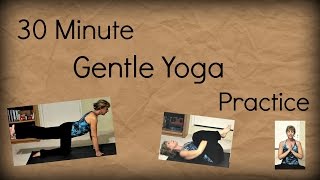
Gentle 30 Minute Yoga
Cindy Bartz provided adaptations of the yoga poses, allowing individuals to recognize and respect their current stage in their practice, fostering a sense of empowerment and confidence. The highlight was the delightful guided meditation at the end, which beautifully concluded the process.
Nicole Longwell
Sep 18, 20151 min read
Why Back Strengthening Exercises Matter for Pain Relief and Posture- 10min Back Strengthening Exercises
Why Back Strengthening Exercises Matter
Back pain affects millions of people—and often, the root cause isn’t just strain or injury. It’s weakness.Modern life keeps most of us seated, rounded forward, and working against gravity in all the wrong ways. Over time, this leads to:
Weak postural muscles
Tight chest and hip flexors
Poor spinal stability
Overworked low back muscles
Higher risk of injury
Strengthening the muscles of your back (and the core that supp
Nicole Longwell
Sep 17, 20153 min read


bottom of page